Fast & Free Shipping
Ships From GA & AZ
17355218988
Hablamos Espanol
extension: 7103
Knowledgeable Staff
In Business 30+ Years
[custom_header_mini_cart]
A guide to when to apply pre-emergent herbicides
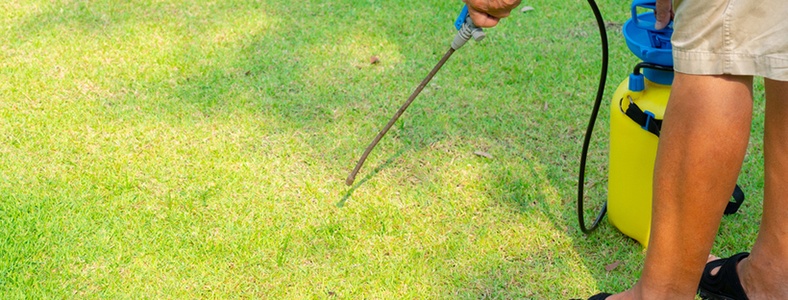
What Are Pre-Emergent Herbicides?
Pre-emergent herbicides, sometimes referred to as crabgrass preventives, are effective ways to prevent an undesired weed problem before it starts. This article explains pre-emergent herbicides, and when to apply them.
Pre-emergent herbicides are chemicals that prevent undesired weeds in your lawn. They do not prevent the germination of the seed, but help control it so that it will not sprout. Due to the way these herbicides work, application timing is the most important aspect of weed prevention success. If the weed has already sprouted and is visible, pre-emergent herbicides will not solve the weed problem. For a summary of pre-emergent active ingredients, go to Pre-emergent Herbicides
There are a few exceptions because some chemicals include active ingredients that work as both post (after the weed sprouts) and pre-emergent herbicides such as Dithiopyr products.
Early Spring and Fall are the most effective times to apply pre-emergent herbicides. They can be applied throughout the year, and will still prevent new weeds that sprout, however most weeds sprout during spring and fall. Spring applications target different weed species than Fall applications, so it is very important to know the type of weed you are trying to prevent for best results. See below for help identifying your target weeds.
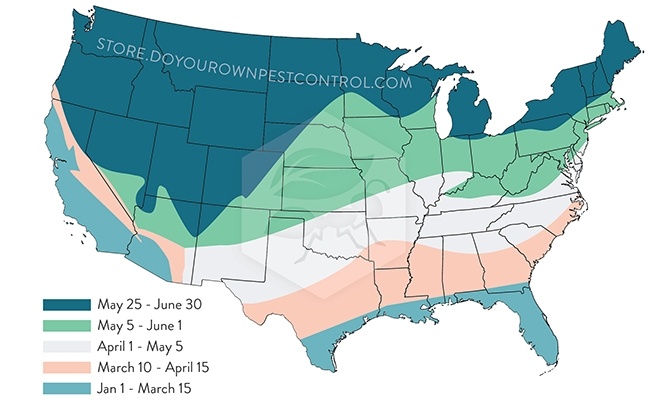
Spring pre-emergent herbicide applications are used to prevent summer annual weeds. Summer annual weeds are both grassy and broad leaf types. For best results apply herbicides when the soil temperature is around 55 degrees or above for at least 36 to 72 hours (ideally this will be two weeks before seed germination). The majority of the USA experiences these soil temperatures from March to April. Consult your local county extension service to get up to date soil temperatures in your area. Here is a map that gives a good idea of when to apply in the part of the country you live in.
Using granules or liquid formulations are the two primary manners to apply herbicides. If you use granular pre-emergent herbicide it is very important to water the chemical into the ground because the active ingredient needs to penetrate the soil. The herbicide is trapped by the granule until it is activated by water. This is also true with liquid pre-emergent products because grass and other plants may trap the active ingredient keeping it from reaching the soil during the initial application.
Preventing weeds like crabgrass and annual bluegrass is far easier than killing them once they are established.

Common Annual Summer Grassy Weeds
Crabgrass
Goosegrass

(Crabgrass Pictures-NY State IPM Program)
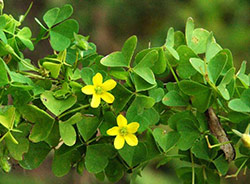
Common Annual Summer Broadleaf Weed
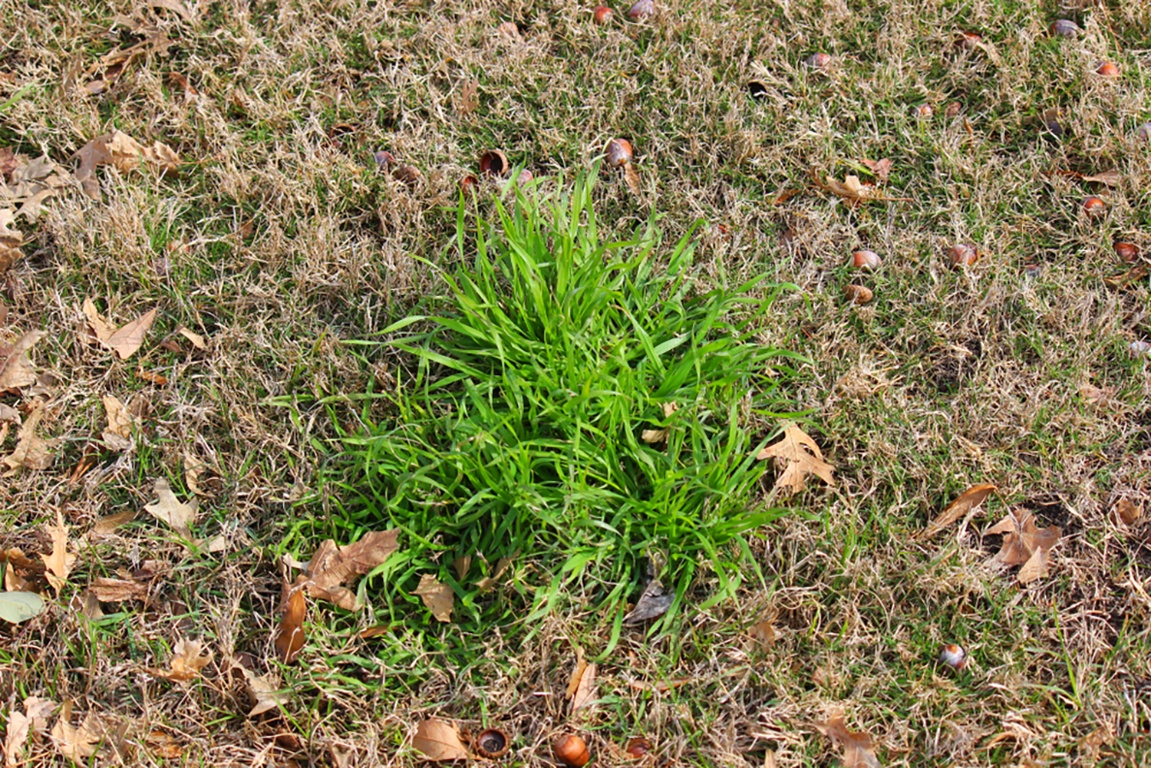
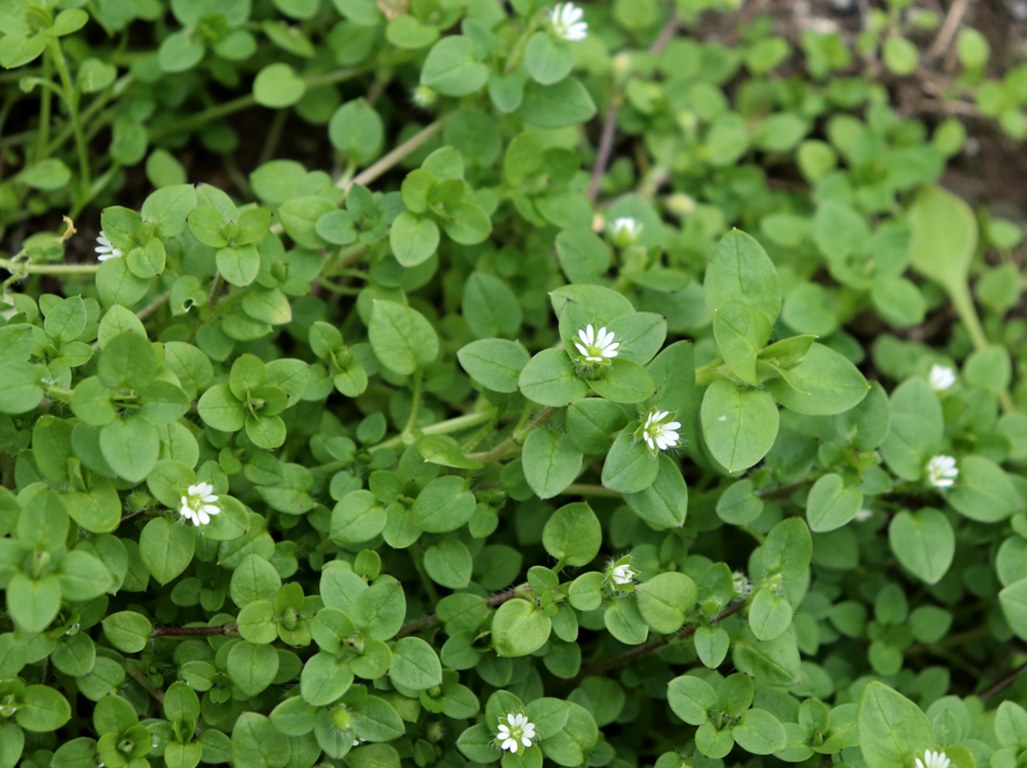
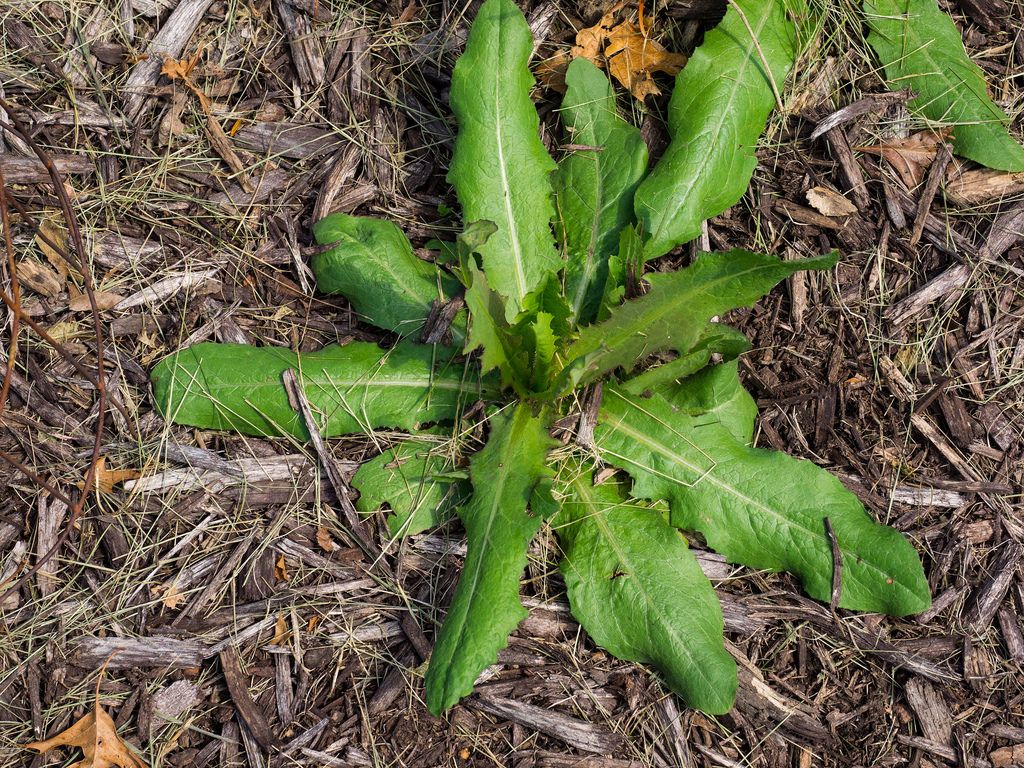

Fall pre-emergent applications are designed to prevent winter annual weeds. These weeds germinate during the fall months. Similar to spring applications, timing is very important to successfully prevent winter annual weeds from taking over your lawn. The best time to apply fall pre-emergent herbicides is late summer to early fall depending on your geographic location.
Annual Bluegrass (Poa Annua) is one of the most common winter annual weeds. Annual Bluegrass is a hardy weed, and may require multiple applications over consecutive seasons to achieve an acceptable level of control. Fall weeds being to germinate when soil temperatures starts to dip below 70 degrees (soil temperatures about 50 degrees). The best time to apply is the when the daytime highs drop to the mid-70s for about three to five days in a row.
Since a pre-emergent application will not last through the following summer, make a pre-emergent application late spring or early summer (see Spring Herbicide Application map).
Pre-Emergent Product Recommendations
Written by our resident pest control expert Ken Martin.