Fast & Free Shipping
Ships From GA & AZ
17355218988
Hablamos Espanol
extension: 7103
Knowledgeable Staff
In Business 30+ Years
[custom_header_mini_cart]
Learn rodent exclusion tips and techniques.
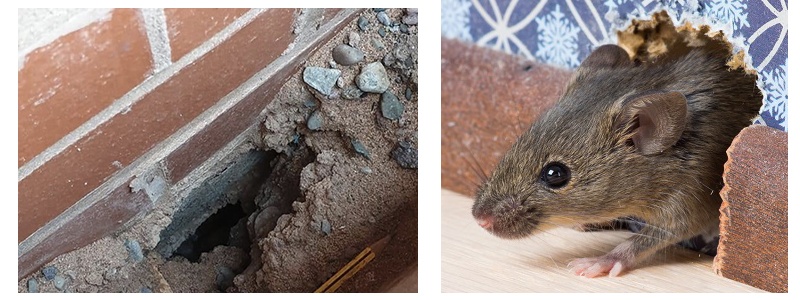
Use Stuff It Copper Mesh around pipes and utility lines, stuffing into the openings such as openings where pipes and wires enter the foundation and siding, e.g., around outdoor faucets, receptacles, gas meters, clothes dryer vents, and telephone/cable TV wires. Check to see that shingles are tight.
PUR Black Gun Foam will expand into voids, cracks, and crevices. PUR Black Gun Foam is a polyurethane and moisture-curing foam. It is convenient to seal the entry points where rodents, bats, birds, squirrels, or insects may enter structures. PUR Black Foam also bonds to surfaces as a cured foam and will not decompose under direct sunlight.
It will also seal and stop the passage of air, gases, water, dust fibers, sound, and odors.
Where rodents are abundant, you have plenty of shelters and food provided. It will have a high impact on reducing the rodent population if you remove or reduce these factors.
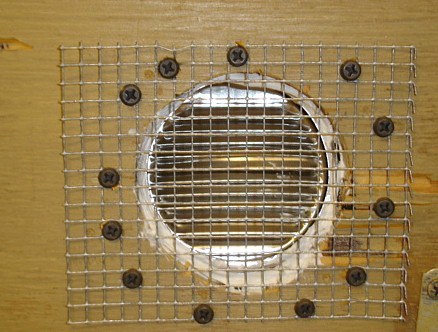
Hardware cloth may be used to seal openings such as attic vents, as shown in the picture. Install 1/4-inch wire mesh (hardware cloth) over attic, roof, and crawl space vents to prevent birds’ entry, bats, squirrels, rodents, and other wildlife. Wearing gloves when cutting hardware cloth would prevent cuts since the fabric is sharp.
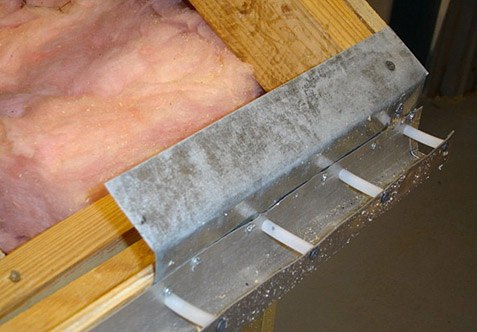
Metal flashing may be used to seal up openings around the gutters( in the picture).
Without removing possible food sources and shelter resources, a trapping and bait program would be unsuccessful. Using only rodent poison baits and traps on an intermittent basis to control rodents, these rodent populations would quickly and repeatedly rebound without any attempt to control other factors. Even the highest quality of rodent baits would not be able to compete well with the available foods. The current rodent population is already and comfortably accustomed to feeding.

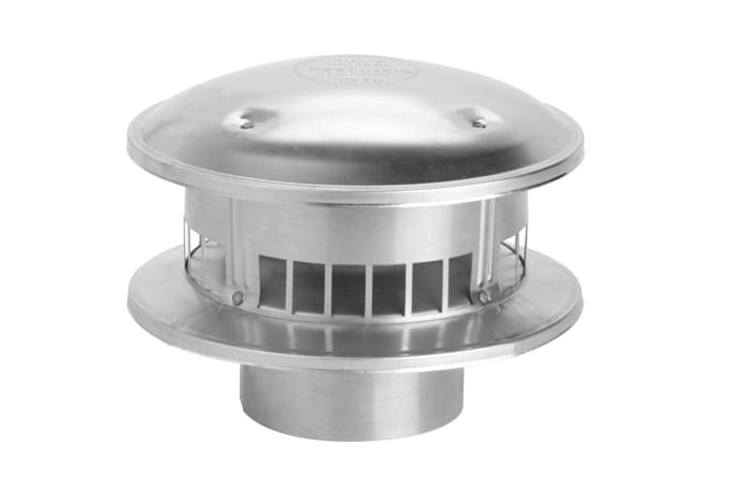
Chimney caps exclude birds, squirrels, raccoons, and other nuisance wildlife.
Rodent exclusion involves sealing entry points and making your home less attractive to rodents to prevent infestations, protecting your health and property.
Check for gaps around doors, windows, pipes, vents, and foundation cracks. Even small openings can allow entry.
Use materials like steel wool, hardware cloth, caulk, and metal sheeting, as rodents cannot easily chew through them.
Yes, overgrown vegetation and clutter near the home can provide shelter and access to entry points. Keep these areas well-maintained.
Regular inspections, especially before colder months, ensure that exclusion measures remain effective over time.

Written by our resident pest control expert Ken Martin.